
It's measurable
Cortisol levels, sleep patterns, and behavior change in predictable ways under stress. Vets can — and do — diagnose anxiety disorders in dogs and cats.
Behavior & Wellbeing
Dogs and cats feel anxiety, grief, boredom, and joy — and the science to back it up is now mainstream veterinary medicine. Here is the plain-English guide: what mental health looks like in pets, the signs you might be missing, and twelve things you can do this week to help.
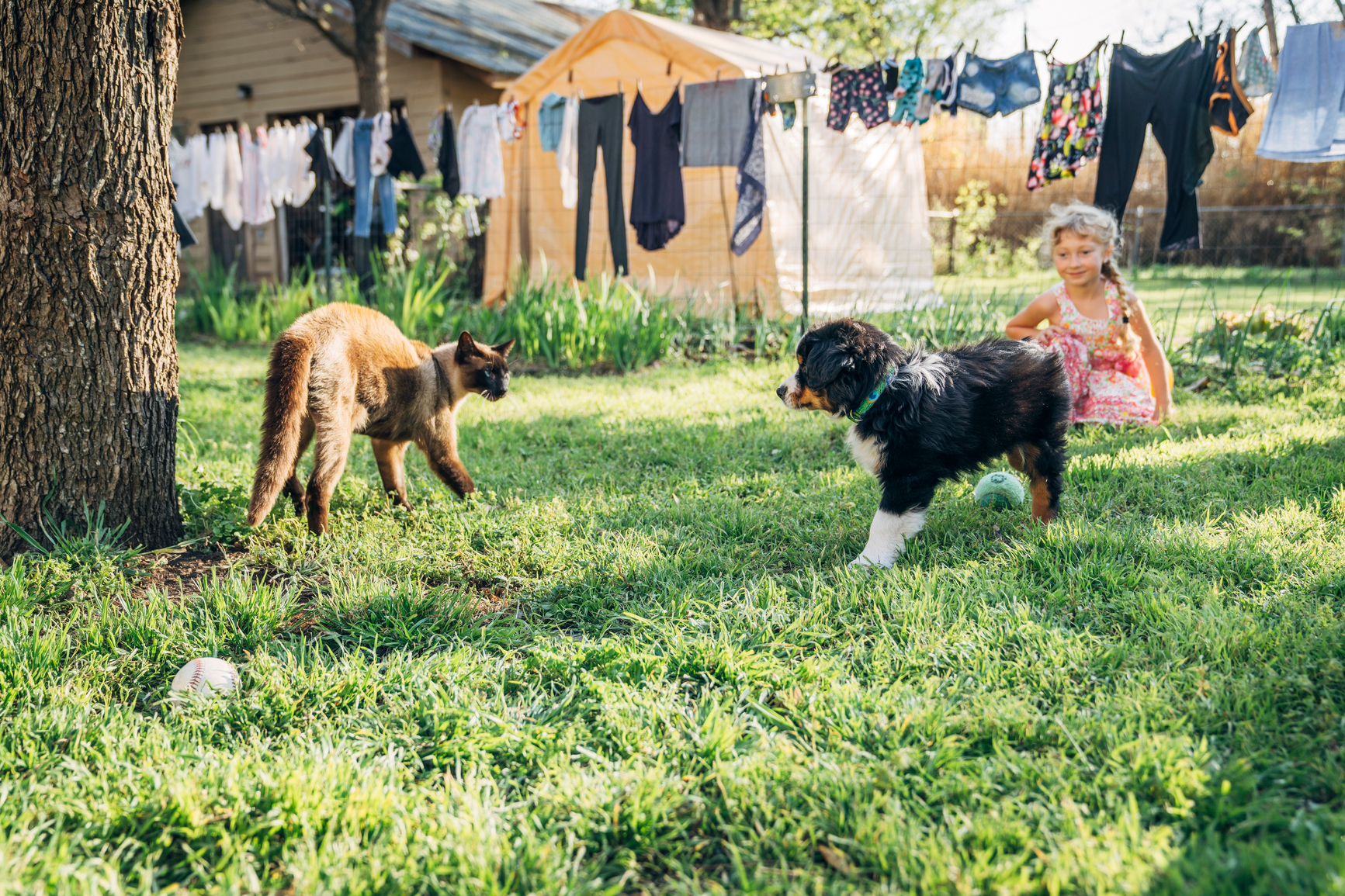
Cortisol levels, sleep patterns, and behavior change in predictable ways under stress. Vets can — and do — diagnose anxiety disorders in dogs and cats.
Chronic stress suppresses the immune system, worsens skin and gut conditions, and is linked to shorter lifespans in both species.
Most behavior issues respond to environment, routine, enrichment, and (when needed) vet-prescribed support. You are not stuck with a stressed pet.
A printable 2-page activity sheet with reading-buddy rules, a checklist, a reflection page, and a drawing box.
The signals are usually subtle before they become loud. Watch for any change from your pet's normal baseline that lasts more than a few days.
The toolkit
Pets read the clock through you. Feed, walk, and play at roughly the same times every day — predictability is the single biggest anxiety reducer.
Puzzle feeders, snuffle mats, and lick mats turn a 30-second meal into 10 minutes of problem-solving. Use them at least once a day.
Dogs need 12–14 hours, cats 12–16. Give them a quiet, dim corner away from foot traffic. Sleep-deprived pets are anxious pets.
A 20-minute walk where the dog leads with their nose is more mentally tiring than a 1-hour brisk march. Let them sniff.
Cat trees, shelves, window perches. Height is safety in a cat's world — a cat with no vertical escape route is a stressed cat.
Two cats = three trays, in different rooms. Most 'behavior' peeing is litter-tray dissatisfaction in disguise.
EPA and DHA from fish oil are shown to reduce anxiety and support cognitive function in both species. Ask your vet for a dose.
Reward-based training lowers cortisol; aversive methods (yelling, prong collars, spray bottles) reliably raise it. The science is settled.
Storm-phobic dog? Play storm sounds at 5% volume during dinner, then 10% next week. Pair the scary thing with food, on repeat.
Adult dogs: 4–6 hours max. Cats: usually fine 24 hours with food and a clean tray, but they grieve absence too. Get a sitter for longer trips.
Cats: 2× 10-minute wand-toy sessions. Dogs: tug, fetch, or a scatter feed in the garden. Play is not optional — it's a vital sign.
Senior pets who get 'grumpy' usually hurt somewhere. Annual vet checks catch arthritis, dental pain, and thyroid issues that masquerade as behavior.
Long-term health
A healthy body is the foundation of a steady mind. Pain, poor sleep, and nutrient gaps show up as anxiety and behavior changes long before they show up on bloodwork.
Choose a complete food rich in protein, omega-3s, and key vitamins/minerals — matched to age, size, and activity level. Skip foods built around fillers and by-products.
Yearly vet checks (twice a year for seniors) catch dental disease, arthritis, thyroid and kidney issues early — long before they show up as behavior changes.
Year-round flea, tick, and heartworm protection plus the core vaccines your vet recommends. Prevention is cheaper and kinder than treatment.
Dogs need structured walks plus off-leash sniff time; cats need 2× 10-minute prey-style play. Movement keeps joints, weight, and mood in range.
Fresh water in multiple spots (cats love fountains). Weigh monthly — a 10% swing in either direction is a reason to call the vet.
Brush teeth 2–3× a week, use VOHC-approved chews, and ask your vet about professional cleanings. Untreated dental pain is a leading hidden cause of grumpiness.
Brushing, bathing, and nail trims keep the coat healthy and give you a weekly chance to spot lumps, parasites, hot spots, and sore joints early.
The human side
The mental health benefits of pet ownership flow both ways. Interacting with a dog or cat lowers human cortisol and blood pressure, boosts oxytocin, and eases loneliness — effects that are well documented in clinical research.
Children who read aloud to a dog make bigger literacy gains than children who read to a person — because a dog never judges, corrects, or rushes them. Programs like Reading Education Assistance Dogs (R.E.A.D.) operate in schools and libraries worldwide.
Petting a dog or cat for just 10 minutes reduces cortisol and raises oxytocin. For people with anxiety or depression, the routine of caring for a pet adds structure, purpose, and social connection.
Dogs especially act as a social lubricant — strangers talk to people with dogs more readily, which helps isolated adults and shy children build social skills in low-pressure settings.
Many behavior changes are caused by pain or illness, not anxiety. Book a vet visit promptly if you notice any of the following:
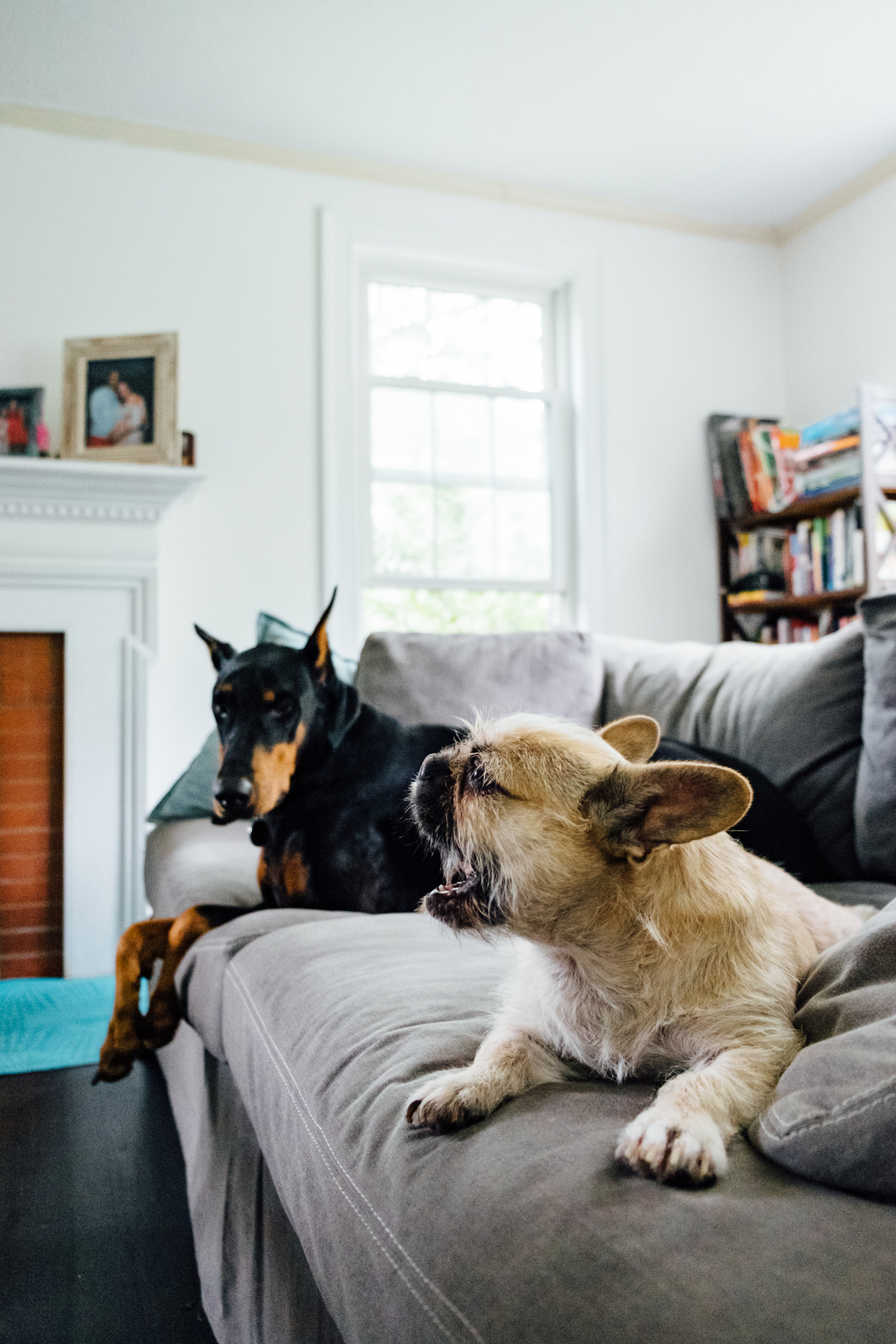
Yes. Veterinary behaviorists recognize anxiety disorders, compulsive disorders, cognitive dysfunction (a dementia-like condition), and depression-like states in both dogs and cats. They are diagnosed by patterns of behavior, ruling out medical causes first.
Excessive panting when not hot, pacing, trembling, destructive chewing, house-soiling, hiding, clinginess, repetitive licking, refusal to eat, and aggression in previously friendly dogs. Yawning and lip-licking outside of food or sleep are subtle stress signals.
Over-grooming (especially the belly or inner legs), hiding for long periods, peeing outside the litter box, loss of appetite, excessive vocalization, aggression, sleeping much more than usual, and loss of interest in play or affection.
Common triggers include lack of enrichment, social isolation, sudden routine changes, moving house, new pets or babies, loud noises (storms, fireworks), pain or undiagnosed illness, early weaning, poor socialization as a puppy or kitten, and inconsistent training.
Yes. Omega-3 fatty acids (EPA/DHA), tryptophan, B-vitamins, and a stable feeding routine all influence mood and stress reactivity. Underfeeding, overfeeding, and food allergies can also drive behavioral changes. A complete and balanced diet is the foundation.
See a vet promptly if behavior changes are sudden, if your pet stops eating for more than 24 hours (cats) or 48 hours (dogs), if there is aggression, self-harm such as flank-sucking or over-grooming to the skin, or signs of cognitive decline in a senior pet.
Support partners
Anxiety, behavior changes, and chronic stress often need professional support. These vetted partners offer online vet consults and insurance that can cover behavioral therapy.
Customizable accident & illness plans. Fast claims via app.
Get a free quote →90% cashback on eligible vet bills. No upper age limit.
Compare plans →Covers exam fees, behavioral therapy, and alternative care.
See coverage →24/7 online vet visits + prescriptions shipped free.
Talk to a vet →Book a licensed vet on demand from your phone.
Book a video visit →Affiliate links — Bowlful may earn a commission at no cost to you.
Gifts for pet lovers
Five vet-friendly picks that double as thoughtful gifts. Every one of these directly supports the 12 mental-health tips above.
Turns a 30-second meal into 10 minutes of nose-led problem-solving. The single best calming enrichment toy for dogs.
Shop on Amazon →Spread wet food, yogurt, or peanut butter. Licking is self-soothing — vets use them during bath time and grooming.
Shop on Amazon →Brain games for rainy days. Adjustable difficulty keeps both dogs and cats mentally tired and happy.
Shop on Amazon →Vertical territory is safety in a cat's world. A 5-foot tree near a window is a stress vaccine for indoor cats.
Shop on Amazon →Faux-fur, raised rim. The bolstered edge mimics curling up with a litter-mate — gentle pressure that helps anxious pets settle.
Shop on Amazon →Amazon affiliate links — Bowlful may earn a commission at no cost to you.
Consistent meal timing, the right calories, and a balanced diet are the most under-rated mental health tools you have. Build their daily portion in under a minute.